Menu
Cost & Permits: Building a Concrete Retaining Wall in McAllen
Concrete Retaining Wall McAllen
Planning a concrete retaining wall involves understanding permits and cost factors involved in your investment. As a homeowner in McAllen, you will have to determine what permits are required to build, apply for those permits, and how much you can afford to spend on the project before beginning construction. A professional will assist you in ensuring compliance with all applicable local regulations while also allowing you to achieve the best value for your project. Irrespective of whether you need to prevent erosion next to Town Lake at Firemen’s Park or create level areas in the many different terrains in McAllen, having a plan and preparing properly will save you time and money. Proper planning for retaining wall projects and obtaining McAllen retaining wall permits, as well as accurately estimating costs to ensure you make the right choices for your property improvement project.
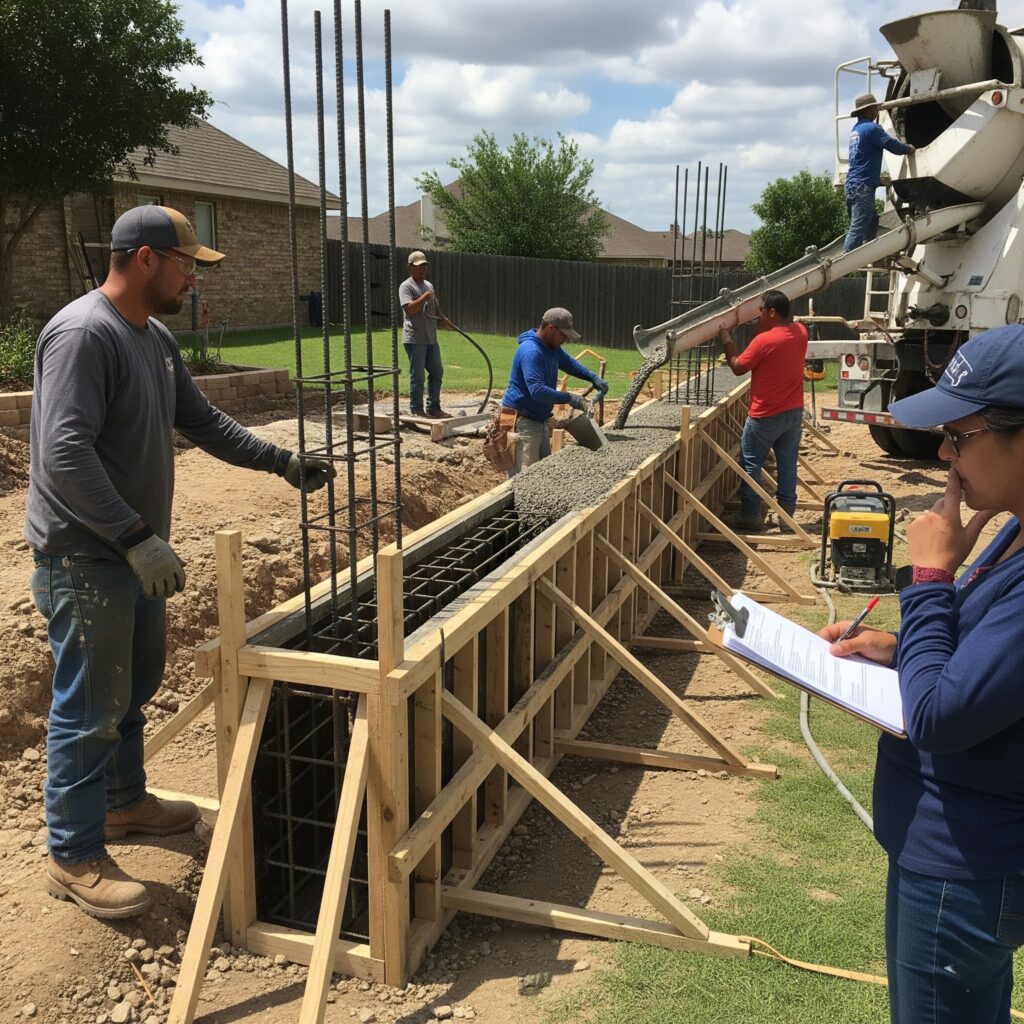
McAllen Permit Requirements and Building Codes
Retaining walls built in McAllen follow the International Building Code (IBC), which was published in 2018; this IBC dictates that certain parameters apply to each type of retaining wall that is going to be built, as it relates to its height and/or the type of loads it will have to bear. In general, any retaining wall greater than four feet high, measured from the bottom of the foundation to the top of the wall, will require a building permit and/or a professional engineer’s certification. That being said, it is also possible that the City of McAllen has different standards in place than what we referenced above. To confirm the permit requirements for your project, you should contact the Building Permits and Inspections Department.
The Building Permit Application Process
To obtain a building permit in McAllen, applicants must submit full construction plans, including drawings that show the wall’s dimensions, reinforcement specifics, and drainage systems, for review and approval. When a retaining wall exceeds six feet tall, structural engineering drawings will be required, along with the engineer’s stamp and calculations. Site plans must depict property boundaries, existing buildings, and where the wall will be located in relation to the property lines and/or utilities.
Drainage plans must be submitted, as well, demonstrating how the wall will manage water run-off, so as to protect the neighboring properties from the potential dangers associated with flooding or erosion.
Costs Associated With Building a Concrete Retaining Wall in McAllen
There are many variables involved in determining the cost of building a concrete retaining wall in McAllen. As such, cost can vary greatly depending upon the height and length of the wall, whether or not the wall will require reinforcing, and the condition of the land in which the wall is to be constructed. In 2025, McAllen homeowners can expect to spend anywhere from $20 to $45 per square foot to build a professionally constructed concrete retaining wall. In terms of total project costs, this can range anywhere from $4,000 to $15,000 or more, depending upon the scope and complexity of the project.
In terms of percentage breakdowns, the materials used to construct the wall account for approximately 40-50% of the total project cost, while the remaining 50-60% of the project cost is comprised of labor. Depending upon whether or not premium finishes, decorative components, or difficult-to-access site conditions are involved, the total cost of a retaining wall project could be greatly impacted.
As one would expect, the primary factor affecting the cost of a retaining wall is the height of the wall. This is because the cost of the materials and the amount of labor required will be directly correlated to the height of the wall. Specifically, walls that exceed six feet in height will require additional structural reinforcement and a deeper foundation than a lower-height wall. Additionally, as the height of the wall increases, the need for engineering input will increase. Thus, the cost of constructing a retaining wall will be directly affected by its height.
Breakdown of Material and Labor Costs
The cost of the materials used to build a concrete retaining wall in McAllen can range anywhere from $8 to $15 per cubic yard for the concrete itself. Steel reinforcement, however, can range anywhere from $1.50 to $2.50 per square foot, depending on the size of the rebar grid or the amount of fiber reinforcement that is used. Forms, excavation, and finishing materials can also add to the total cost of a retaining wall project. The cost of these items will vary depending on the difficulty of the project and the accessibility of the location in which the wall is to be built.
Labor costs for skilled concrete work in McAllen can range anywhere from $40 to $80 per hour. Most contractors charge clients anywhere from $15 to $30 per square foot for the installation of a retaining wall, regardless of the complexity of the job. However, jobs that involve the use of specialized equipment or have difficult-access requirements will necessitate higher labor costs.
Design Options and Cost Implications
Poured concrete retaining walls can be finished in a variety of ways, allowing homeowners to meet their functional and aesthetic needs. Gray concrete is a low-cost option for poured concrete walls, but decorative finishes, such as stamping or staining, can add $5 to $15 per square foot to the total cost of the project.
Interlocking concrete block systems are an alternative way to install a retaining wall. Installed costs for these systems can range anywhere from $15 to $35 per square foot. Interlocking systems allow for faster installation than poured concrete systems, but they do not always meet the design requirements or accommodate the site conditions in all areas, such as Casa de Palmas and other established neighborhoods.
Another alternative for large-scale retaining wall projects is precast concrete panels. While these systems provide consistent quality and fast installation, they have limitations as they require crane access and do not lend themselves to much customization. As such, precast panels are generally best suited for commercial applications or very specific residential situations.
Reinforcement and Engineering Requirements
Structural reinforcement is a key component of retaining wall cost and performance. Residential walls will typically require rebar grids or fiber reinforcement. Taller walls will require engineered reinforcement systems specifically designed to meet the load-bearing requirements of the soil and other environmental conditions.
Footings for retaining walls will vary depending on the height of the wall and the site conditions. Footings for taller walls or walls that must be constructed in unstable soils will require deeper footings than shorter walls. In addition, if a significant number of walls are to be constructed in a single area, a soil analysis may be required to ensure the long-term stability of the walls. A soil analysis can cost anywhere from $500 to $1,500 and will provide the information necessary to determine the depth and design of the footings for the walls.
Additional Costs Due to Site Conditions
The cost of excavating the soil for a retaining wall will depend upon the soil conditions, the accessibility of the location in which the wall is to be built, and the presence of any existing landscaping features. In general, excavating clay soil can cost anywhere from $100 to $220 per cubic yard. Excavating rocky soil or soil that is difficult to access can increase these costs even further.
A properly functioning drainage system is critical to the long-term health and structural integrity of a retaining wall. A drainage system that is capable of managing rainwater and preventing water from collecting behind the wall must be installed. This can take the form of French drains or some other type of water management solution. The cost of installing a drainage system can range anywhere from $10 to $80 per linear foot, depending upon the complexity of the system and how it interfaces with any existing drainage infrastructure.
If a retaining wall is to be constructed in proximity to existing services, such as electric or gas lines, it may be necessary to relocate these services or protect them from damage. This can cause significant delays and increase the overall cost of the project.
Landscaping and Finishing Requirements
The cost of replacing or amending the soil used to backfill behind a retaining wall can be a significant portion of the total project cost. High-quality backfill materials can cost anywhere from $15 to $50 per cubic yard. Soil amendments or replacement can add to these costs.
Applying a waterproofing treatment to the surface of a retaining wall can help extend the wall’s lifespan and minimize the likelihood of developing moisture-related problems. These treatments can cost anywhere from $2 to $10 per square foot, and can be especially important in climates with high humidity, such as McAllen, and in regions that experience significant precipitation during the spring months.
Costs Related to Obtaining a Building Permit
The cost of obtaining a building permit in McAllen can vary widely, depending on the scope of the project and the value of the structure that is being built. Typical building permit fees for retaining walls can range anywhere from $100 to $500. In addition to the base fee, more complex projects that require special reviews or inspections can also incur additional fees for plan review and inspection services.
Processing Times for Building Permits
The processing time for building permits in McAllen can also vary widely, depending upon the complexity of the project and the workload of the Building Permits and Inspections Department. Typically, simple residential retaining walls can be processed within two to three weeks. More complex projects that require special reviews or inspections can take longer, typically between 4 and 6 weeks.
Schedule for Inspections
Inspections for retaining wall projects are typically scheduled to occur in conjunction with the construction phase of the project. Specifically, inspectors will want to verify that the footings for the wall were properly constructed before placing the concrete for the wall. Once the wall has been completed, inspectors will again visit the site to verify that the wall meets the minimum building codes and specifications.
Using a Professional Contractor vs. Doing It Yourself
While using a licensed contractor to install a retaining wall may appear to be more expensive upfront, hiring a professional can ensure that the project meets local building codes, includes proper engineering, and includes warranties that protect your investment. Additionally, licensed contractors carry liability insurance and have the bonding and expertise to address any unexpected complications during the course of construction.
Hiring a licensed contractor to install your retaining wall can ultimately save you money in the long-run by eliminating the potential for costly errors or omissions. Additionally, contractors who specialize in retaining walls have the skills and knowledge to perform the job correctly, the first time.
Factors Affecting Construction Timing and Cost
Weather conditions in McAllen, Texas, can affect both the timing and cost of retaining wall construction. Specifically, dry-season construction from November through April provides ideal working conditions, while construction during wet seasons can result in delays and increased precautions.
Additionally, fluctuations in the cost of materials, including concrete and steel, can affect the total cost of a retaining wall project. Clients who commit to a project early in the process, when prices are relatively stable, can avoid increased costs due to rising material costs. Furthermore, economic factors, including labor availability, fuel prices, and regional demand for construction services, can impact the price of a retaining wall project throughout the year. By planning and being flexible about timing, clients can maximize the benefits of favorable market conditions.
Long-Term Performance and Maintenance
Properly constructed, poured-concrete retaining walls can last 50 to 100 years with little to no maintenance. One of the most effective methods to ensure that your retaining wall performs well and lasts for a long time is to ensure that it is properly installed and drained. Problems related to poor drainage and structural instability are two of the most common issues with poorly constructed retaining walls. Ensuring that your retaining wall is properly constructed will ensure that it will continue to function well for many years into the future.
Homeowners who build retaining walls to create additional living spaces on their property can expect a positive return on investment. According to studies, a retaining wall can improve the value of a home by 5-15%, depending on the scope and impact of the wall on available living space. Walls that create flat surfaces for patios, gardens, or additional parking spaces tend to have the greatest financial return on investment.
Maintenance of a retaining wall is minimal. Homeowners will typically only need to clean the surface of the wall periodically, seal any joints, and inspect the drainage system to ensure that it continues to function properly. If a retaining wall is properly constructed, owners can anticipate many years of trouble-free operation and minimal maintenance costs.
Selecting a Licensed Contractor
When selecting a contractor to install a retaining wall, it is essential to select a contractor who is knowledgeable about local building codes, site conditions, and construction techniques. A licensed contractor will be able to assist you with the process of obtaining the necessary permits, coordinating with engineers and inspectors, and scheduling inspections. A contractor will also provide you with warranty coverage, which will protect your investment against defective materials or workmanship for many years after the wall is installed. Finally, a licensed contractor will have liability insurance, which will protect you and your property in case the contractor causes any damage or injury during the course of construction.
At McAllen Concrete Contractors, our team of experienced professionals understands the unique needs of the community, from the historic aspects of Archer Park to the modern needs of new subdivisions. Our professional staff will be able to guide you through the process of designing your retaining wall, assisting you with the permitting process, and constructing the wall with the highest level of professionalism. Whether you are looking for a small retaining wall to stabilize your backyard slope or a large retaining wall to create additional living space on your property, we are here to serve your needs. We look forward to the opportunity to work with you to meet your retaining wall needs.
LATEST POSTS